Why Continuous Assessment Matters in Modern Education
Table of Contents
- The Real Purpose of Assessments
- Moving Beyond Marks and Rankings
- Identifying Strengths and Areas for Improvement
- Encouraging Consistent Learning Habits
- The Importance of Meaningful Feedback
- Preparing Students for Future Challenges
- How Sanskriti School Uses Assessments for Growth
- Conclusion
The Real Purpose of Assessments
Ask most students what comes to mind when they hear the word “assessment,” and the answer is usually the same: tests, marks, and report cards.
While assessments do measure academic performance, their real purpose is far more meaningful. Assessments help educators understand how well students are learning, where they may need support, and how they can continue improving.
Think of assessments as checkpoints on a journey rather than the final destination. Just as a traveler uses maps to confirm they are moving in the right direction, students use assessments to understand their progress and identify areas that require greater attention.
When viewed in this way, assessments become valuable learning tools rather than sources of pressure.
Moving Beyond Marks and Rankings
For many years, education systems around the world placed significant emphasis on scores and rankings. While performance indicators remain important, modern education recognizes that learning cannot be reduced to a single number.
Students possess different strengths, talents, and learning styles. Some demonstrate understanding through written examinations, while others excel through projects, presentations, practical activities, discussions, or creative work.
Meaningful assessments provide opportunities for students to showcase learning in multiple ways. They evaluate understanding, application, critical thinking, problem-solving, and communication skills rather than simply measuring memorization.
The focus shifts from asking, “How many marks did a student score?” to asking, “What has the student learned and how can they improve further?”
This approach creates a healthier and more productive learning environment.
Identifying Strengths and Areas for Improvement
One of the greatest benefits of assessments is their ability to provide valuable insights into student learning.
Every child has unique strengths. Some students demonstrate exceptional analytical abilities, while others excel in communication, creativity, research, or practical application.
Regular assessments help identify these strengths and provide opportunities to nurture them further.
At the same time, assessments reveal areas where students may need additional support. Rather than allowing learning gaps to grow over time, teachers can intervene early and provide targeted guidance.
This process helps answer important questions:
- Which concepts have been understood well?
- Which topics need further clarification?
- What learning strategies are most effective?
- How can progress be accelerated?
These insights enable both students and teachers to make informed decisions about future learning.
Encouraging Consistent Learning Habits
One of the most common challenges students face is relying on last-minute preparation before examinations.
Continuous assessment encourages a different mindset.
When students participate in regular evaluations, assignments, projects, and classroom activities, they begin to view learning as an ongoing process rather than a series of isolated events.
This approach helps develop important habits such as:
- Consistent study routines
- Better time management
- Regular revision practices
- Improved organization
- Greater accountability
Students learn that academic success is built through steady effort rather than short bursts of preparation.
These habits not only improve academic performance but also prepare students for higher education and future professional responsibilities.
The Importance of Meaningful Feedback
The true value of an assessment lies not in the score itself but in the feedback that follows.
Constructive feedback helps students understand what they have done well and where improvements can be made. It transforms assessments from evaluation tools into growth opportunities.
Positive feedback reinforces confidence and motivation. Developmental feedback provides direction for future improvement.
Students who receive meaningful feedback become more reflective learners. They begin to evaluate their own performance, recognize patterns, and take ownership of their progress.
This self-awareness is one of the most valuable skills education can develop.
When students learn how to assess and improve their own work, they become more independent and resilient learners.
Preparing Students for Future Challenges
Assessment skills extend far beyond school.
Throughout life, individuals are required to evaluate performance, accept feedback, adapt strategies, and pursue continuous improvement. Whether in higher education, professional careers, entrepreneurship, or personal growth, the ability to learn from evaluation remains essential.
Students who experience thoughtful assessment practices develop resilience and a growth mindset. They learn that challenges are opportunities to improve rather than reasons to feel discouraged.
This perspective helps them approach future goals with confidence and determination.
The lessons learned through assessment therefore contribute to lifelong success, not just academic achievement.
How Sanskriti School Uses Assessments for Growth
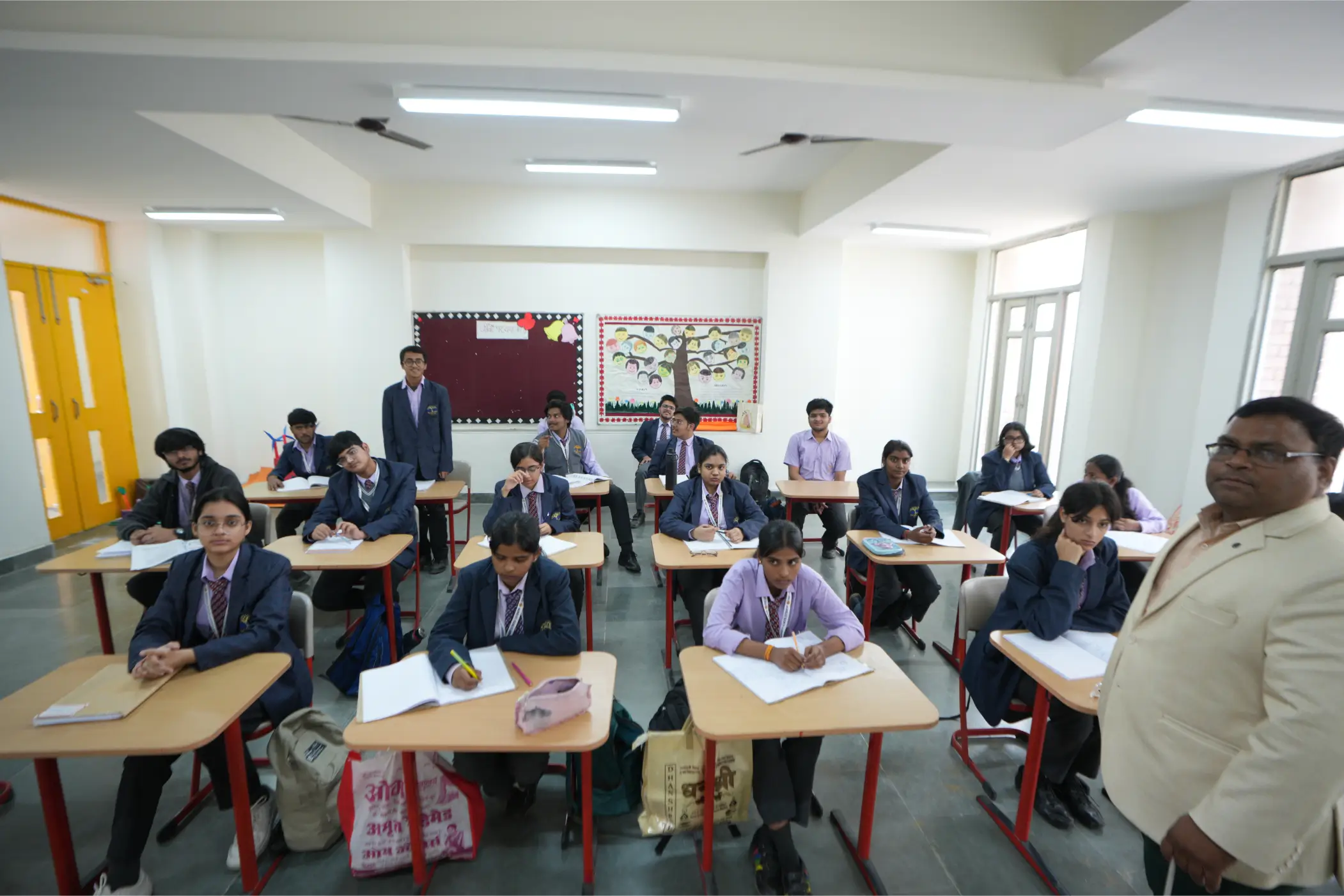
At Sanskriti School Lucknow, assessments are integrated into the learning process as tools for continuous improvement. The school’s academic framework includes regular evaluations, assignments, projects, and structured assessments that provide meaningful feedback and help monitor student progress.
Teachers use assessment insights to strengthen conceptual understanding, identify learning needs, and support academic development at every stage. Combined with interactive teaching methods, project-based learning, and continuous guidance, assessments help students build confidence while developing a deeper understanding of subjects. This approach ensures that evaluation supports growth rather than merely measuring performance.
Conclusion
Assessments are far more than examinations and report cards. They are powerful tools that help students understand their progress, improve their skills, and achieve their full potential.
At the Best CBSE School in Lucknow, assessments are designed to encourage reflection, strengthen learning, and support continuous development. Through meaningful feedback, consistent evaluation, and student-centered guidance, learners gain the confidence and knowledge needed to succeed both academically and personally.
When assessments are used to guide growth rather than simply judge performance, they become one of the most valuable components of a child’s educational journey.