Strategic Thinking at the Best CBSE School in Lucknow
Table of Contents
- A Small Board With Big Learning
- From Rules to Strategic Thinking
- Losing Well Is Part of Progress
- Chess Can Welcome Every Learner
- Chess at Sanskriti School
A Small Board With Big Learning
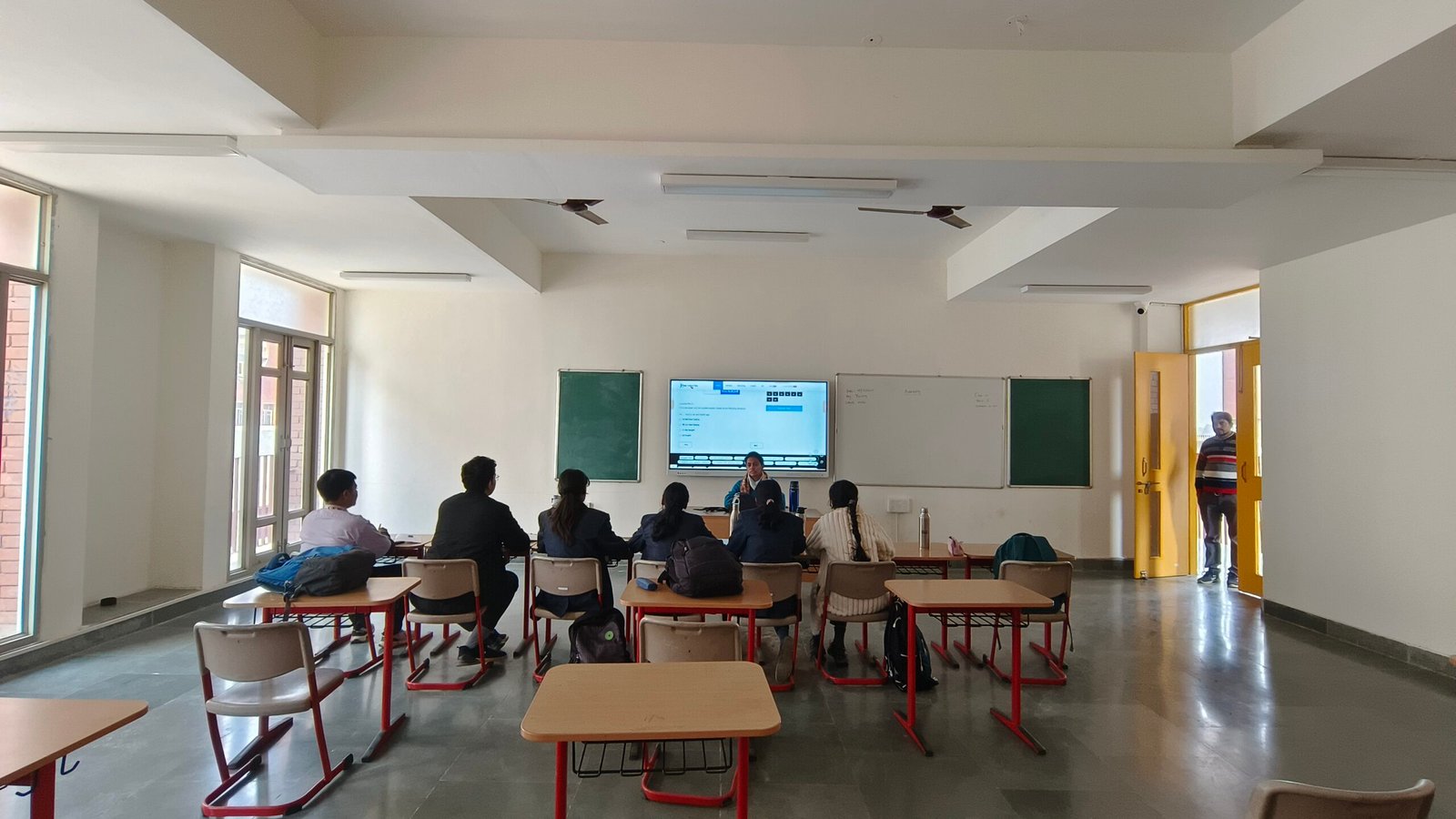
Chess creates a rare kind of quiet intensity. Two students share the same information, yet each must decide what matters, anticipate possibilities and accept the consequence of a choice. The game rewards attention because an impulsive move can change the position immediately. Over time, players learn to pause, scan the board and compare alternatives before acting.
For parents seeking the Best School in Lucknow, chess is valuable not because it promises instant academic improvement, but because it exercises habits that support learning. Concentration, working memory, pattern recognition and planning are repeatedly practised in a meaningful context. A child also discovers that a complex problem becomes manageable when broken into smaller questions: What is threatened? Which pieces are active? What might the opponent do next?
From Rules to Strategic Thinking
Beginners need a welcoming sequence. They can first learn how pieces move through mini-games, puzzles and short positions rather than being overwhelmed by a full match. Once the rules feel natural, instruction can introduce development, king safety, tactical patterns and simple endings. The purpose is not to memorise openings without understanding, but to connect each move with a reason.
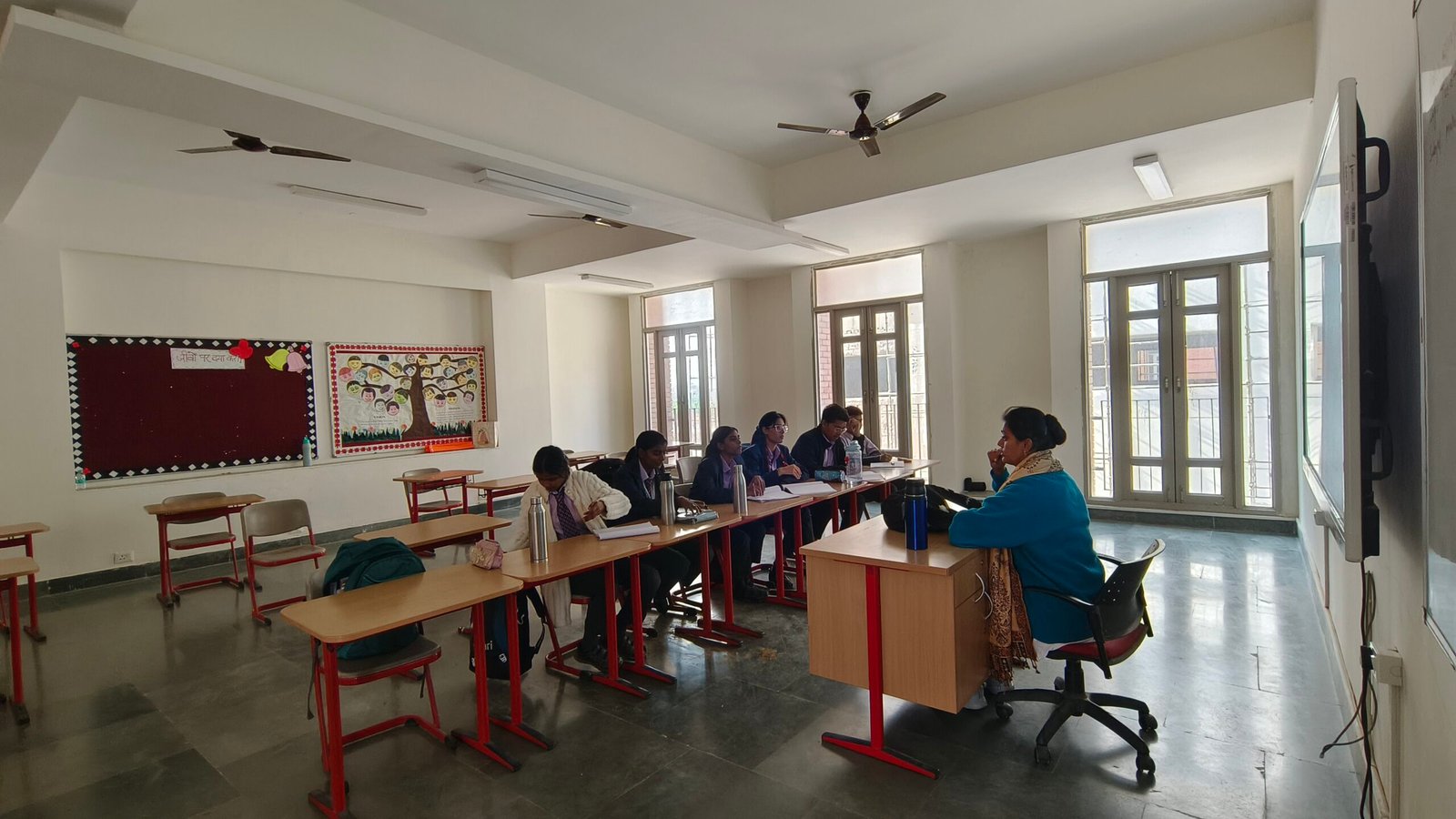
The Best Chess Activity at School in Lucknow should make thinking visible. Students can explain candidate moves, compare two plans or reconstruct the moment a position changed. Coaches may ask questions instead of immediately correcting an error. This approach builds metacognition—the ability to notice how one is thinking. The same habit helps in mathematics, reading and science, where students benefit from checking assumptions and selecting a strategy deliberately.
Losing Well Is Part of Progress
Chess gives immediate, personal feedback, which can be uncomfortable. There is no teammate to blame when a piece is left unprotected. In a healthy programme, however, a loss is treated as information rather than a judgement of ability. Students review a few critical moments, identify one lesson and return to play. This makes resilience practical and specific.
Emotional regulation develops alongside analysis. Players learn to stay composed after a surprise, use time carefully and respect an opponent at the end. The Best CBSE School in Lucknow can reinforce these behaviours across academic and co-curricular settings. A student who can acknowledge a mistake on the board is better prepared to revise written work, ask for help or attempt a difficult problem without protecting pride.
Chess Can Welcome Every Learner
Chess is accessible across many ages and does not depend on size, speed or outdoor conditions. Clubs can group students by experience, use team formats and mix competitive games with cooperative problem-solving. Beginners need opportunities to succeed, while advanced players need deeper puzzles and stronger opponents. This flexible structure helps a wide range of learners participate meaningfully.
Inclusion also means resisting the idea that only naturally “logical” children belong. Creativity matters in chess because positions can be approached through different plans. Story-based explanations may help younger learners, visual patterns may support others, and discussion can benefit students who process ideas aloud. When progress is measured against a learner’s previous decisions rather than only tournament standings, confidence grows without removing challenge.
Chess at Sanskriti School
Sanskriti School identifies chess among its indoor activity options, alongside table tennis, yoga, martial arts and multi-purpose programmes. A school club can use this all-weather setting for guided instruction, informal play, puzzles and inter-house challenges. Regularity matters more than a single competition because strategic habits deepen through repeated reflection.
For families evaluating the Best School in Lucknow, chess shows how an activity can connect enjoyment with character and cognition. At Sanskriti School, it can complement mathematics, clubs and classroom inquiry while giving students a calm space to test ideas. The lasting outcome is larger than winning a match. Learners practise patience without passivity, confidence without carelessness and ambition without disrespect—qualities that support thoughtful choices far beyond the chessboard.
Parents can encourage this development without turning every game into a test. Asking a child about an interesting position, a surprising idea or one lesson from a loss keeps attention on growth. Friendly family games can reinforce patience and conversation, while school tournaments offer an appropriate next challenge. Together, enjoyment and reflection help chess remain a durable habit rather than a short-lived activity.