Digital Smart Technology Use at the Best CBSE School in Lucknow
Table of Contents
- Technology Needs Judgement
- Information Literacy Is a Core Skill
- Safety, Privacy and Respect Online
- From Screen Consumers to Digital Creators
- Responsible Technology at Sanskriti School
Technology Needs Judgement
Technology can make learning more visual, collaborative and responsive. Students can model data, access primary sources, practise skills and communicate ideas in new forms. Yet a device does not automatically improve a lesson. The educational question is always what students are thinking and doing because the tool is present.
For parents seeking the Best School in Lucknow, responsible technology use should include clear purpose and healthy boundaries. Teachers need to choose when a digital tool improves learning and when discussion, handwriting, physical materials or outdoor observation would be better. Students benefit from this modelling because future success will depend not on constant connectivity, but on the ability to select the right tool and use it with intention.
Information Literacy Is a Core Skill
Search results can create the illusion that information is easy. In reality, students must decide which source is credible, whether evidence supports a claim and how context changes meaning. Generative AI adds another layer: fluent output may still be incomplete, biased or wrong. Learners need routines for cross-checking, citing and distinguishing assistance from authorship.
The Best CBSE School in Lucknow should teach these habits across subjects. A science class can compare evidence, history can examine source perspective and English can analyse persuasive language. Students should be able to explain why they trust a source, not simply paste its first paragraph. Information literacy protects academic integrity and prepares young people to make informed decisions as citizens.
Safety, Privacy and Respect Online
Digital safety includes strong passwords, privacy awareness, secure sharing and knowing when to seek adult help. Students should understand that screenshots, location data and personal details can travel beyond the intended audience. Rules are important, but scenarios and discussion help children apply them when a real situation feels ambiguous.
Respect matters just as much. Tone can be misread, humour can exclude and rapid forwarding can amplify harm. Schools can teach students to pause before posting, obtain consent before sharing images and respond constructively to conflict. Clear reporting pathways are essential when bullying or unsafe contact occurs. A supportive culture never makes a child feel responsible for handling a serious online problem alone.
From Screen Consumers to Digital Creators
Digital education becomes empowering when students make, test and communicate. Coding develops logical thinking; presentation and media projects demand audience awareness; data tools reveal patterns; design tasks connect creativity with problem-solving. Creation also exposes the work behind polished digital products, making students more critical consumers.
Balance remains important. Long projects can combine screen work with planning on paper, interviews, experiments or outdoor research. Students should learn ergonomic habits, take movement breaks and protect sleep from unnecessary device use. The goal is not fear of technology, but confident self-management. Young people can enjoy digital tools while recognising when attention needs to return to people, place or rest.
Responsible Technology at Sanskriti School
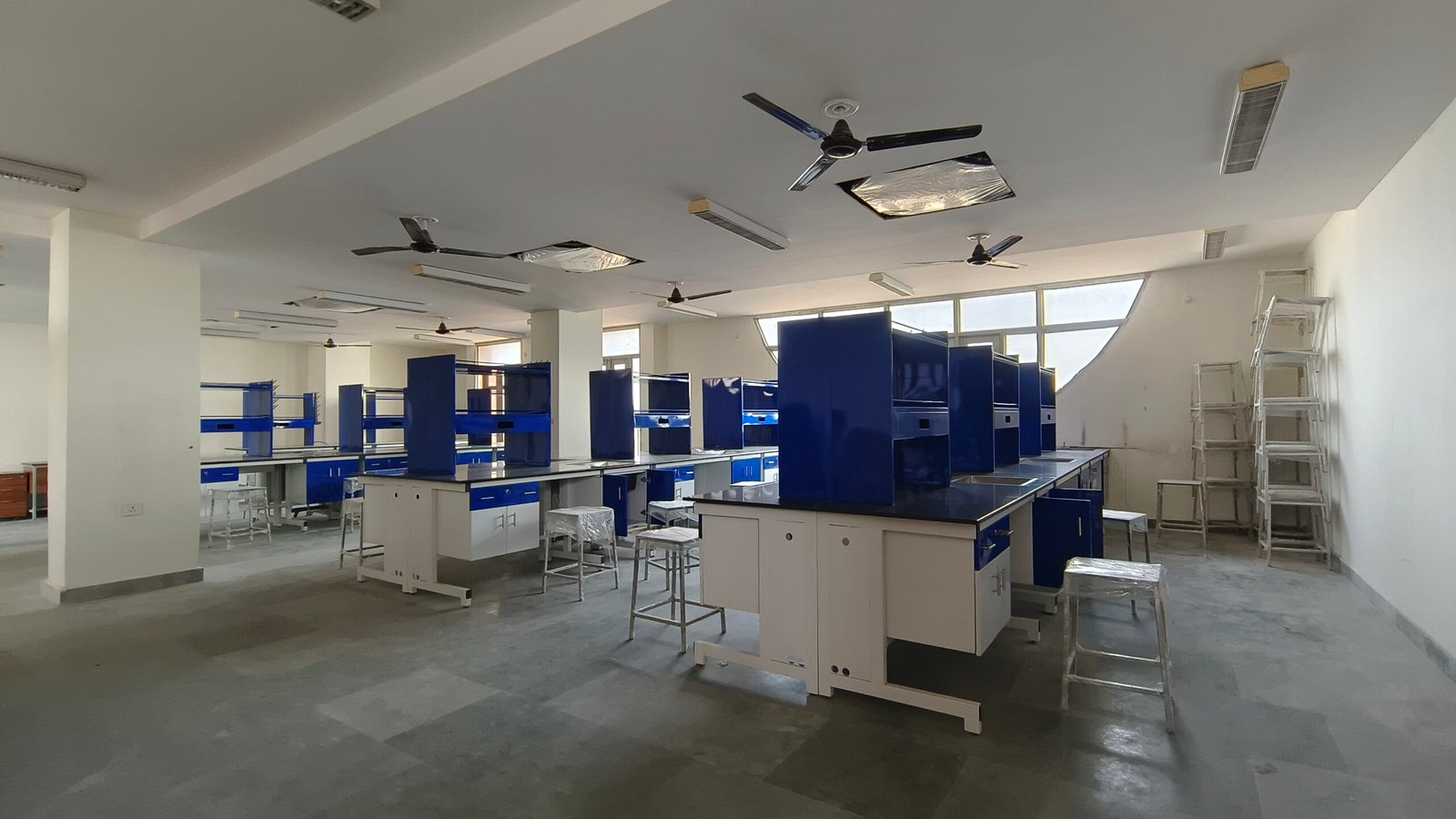
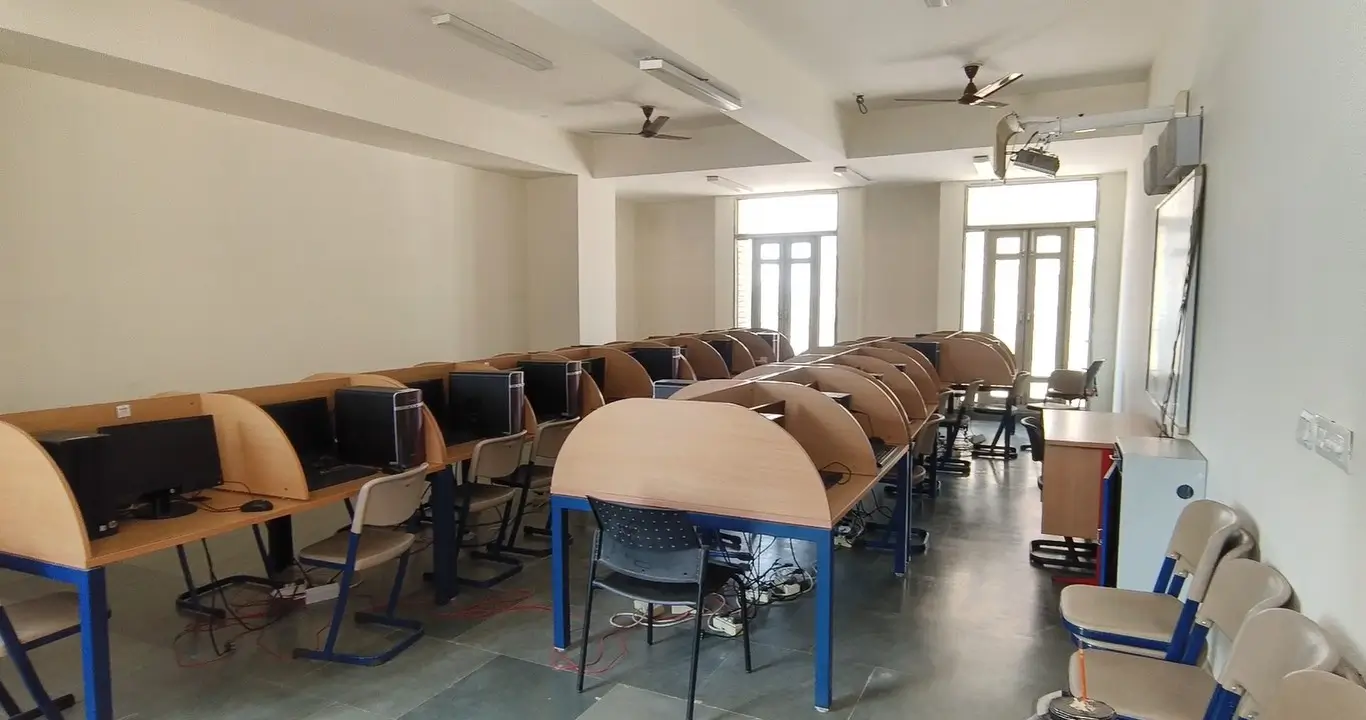
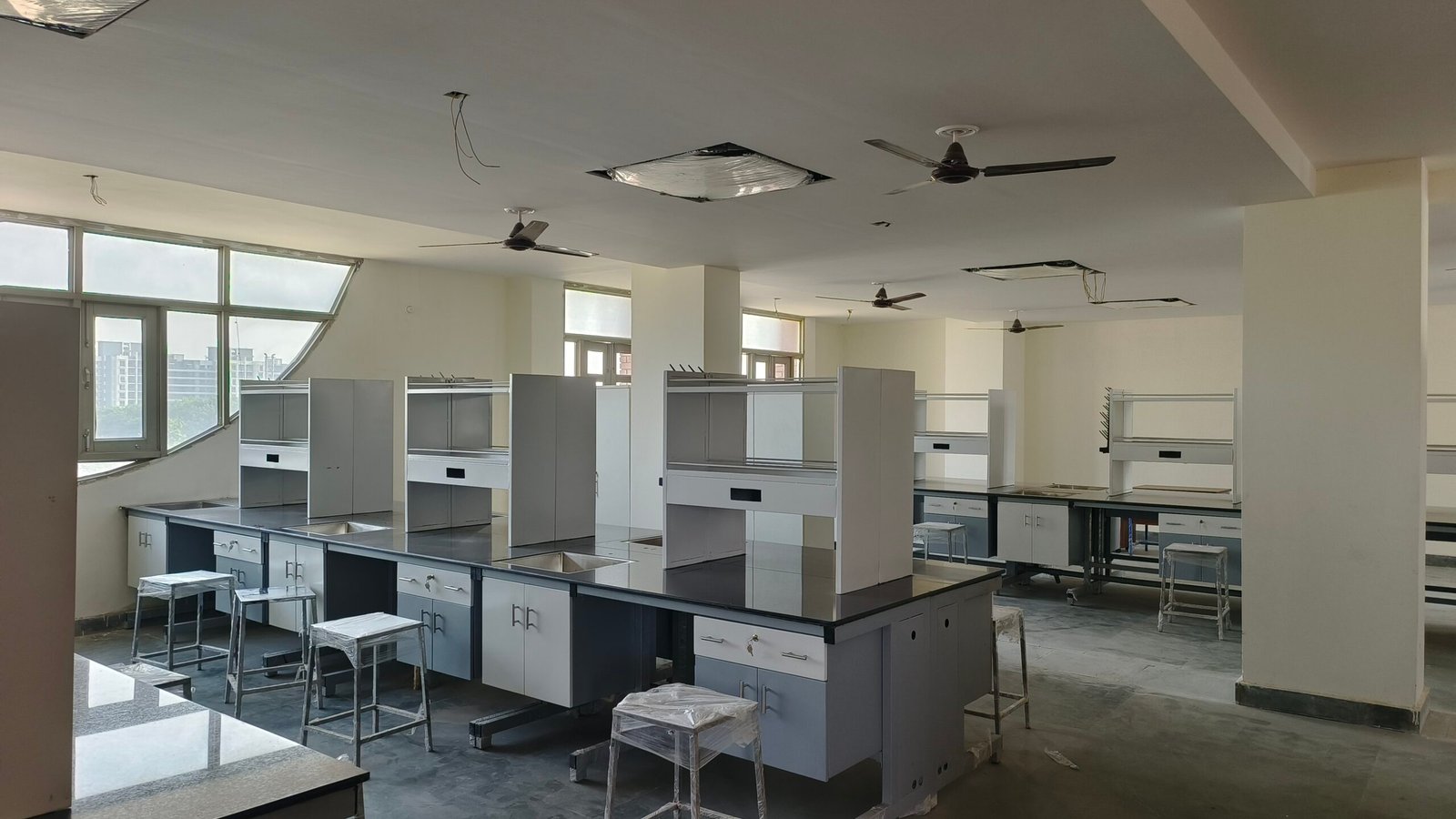
Sanskriti School’s technology-enabled classrooms and computer science laboratory provide a foundation for digital learning within a broader campus of laboratories, arts and sports spaces. This balance is valuable: technology can support inquiry without becoming the only mode of experience. Teachers remain central in setting purpose, questioning outputs and guiding ethical use.
Families comparing the Best School in Lucknow can ask how online safety, source evaluation and digital creativity develop across age groups. At Sanskriti School, responsible technology can become part of character education as well as academic preparation. Students then leave school not merely able to operate devices, but able to protect themselves, respect others, verify information and use powerful tools to create work of genuine value.
A progressive curriculum should revisit these ideas as independence grows. Younger children may practise asking permission before sharing, while older students examine algorithms, AI, copyright and digital footprints. Realistic case studies allow learners to weigh competing priorities rather than recite rules.
Partnership with families is essential. Shared expectations around device times, private information and respectful communication reduce confusion between home and school. Regular conversations work better than surveillance alone because children need the confidence to report mistakes or uncomfortable contact. When adults respond calmly and proportionately, students are more likely to seek help early.