Confident Communicators at the Best CBSE School in Lucknow
Table of Contents
- Reading Is the Foundation of Independent Learning
- Choice and Conversation Create Real Readers
- Writing Helps Students Discover Their Thinking
- Speaking and Listening Build Confident Voices
- A Literacy Culture That Reaches Beyond English
Reading Is the Foundation of Independent Learning
Reading sits quietly beneath success in almost every subject. A student must interpret a mathematics problem, follow the sequence of a science investigation, compare evidence in history and evaluate information online. Fluent reading frees attention for these deeper tasks, while wide reading builds background knowledge that makes new ideas easier to understand. It also introduces children to lives, places and perspectives beyond their immediate experience.
For families considering the Best School in Lucknow, literacy should be viewed as a whole-school responsibility rather than a single English period. Teachers across subjects can model how experts read: scanning a diagram, questioning a source, unpacking a complex sentence or identifying the claim in an argument. When students learn these approaches explicitly, reading becomes a practical tool for inquiry. They grow less dependent on simplified notes and more capable of learning from challenging, varied texts.
Choice and Conversation Create Real Readers
Children are more likely to read when they can find books that meet both their ability and interests. A thoughtful programme offers stories, biographies, poetry, information texts, graphic narratives and age-appropriate current affairs. Choice creates ownership, but guidance still matters. Teachers and librarians can recommend the next book, introduce unfamiliar genres and help students move gradually towards richer language and more demanding ideas.
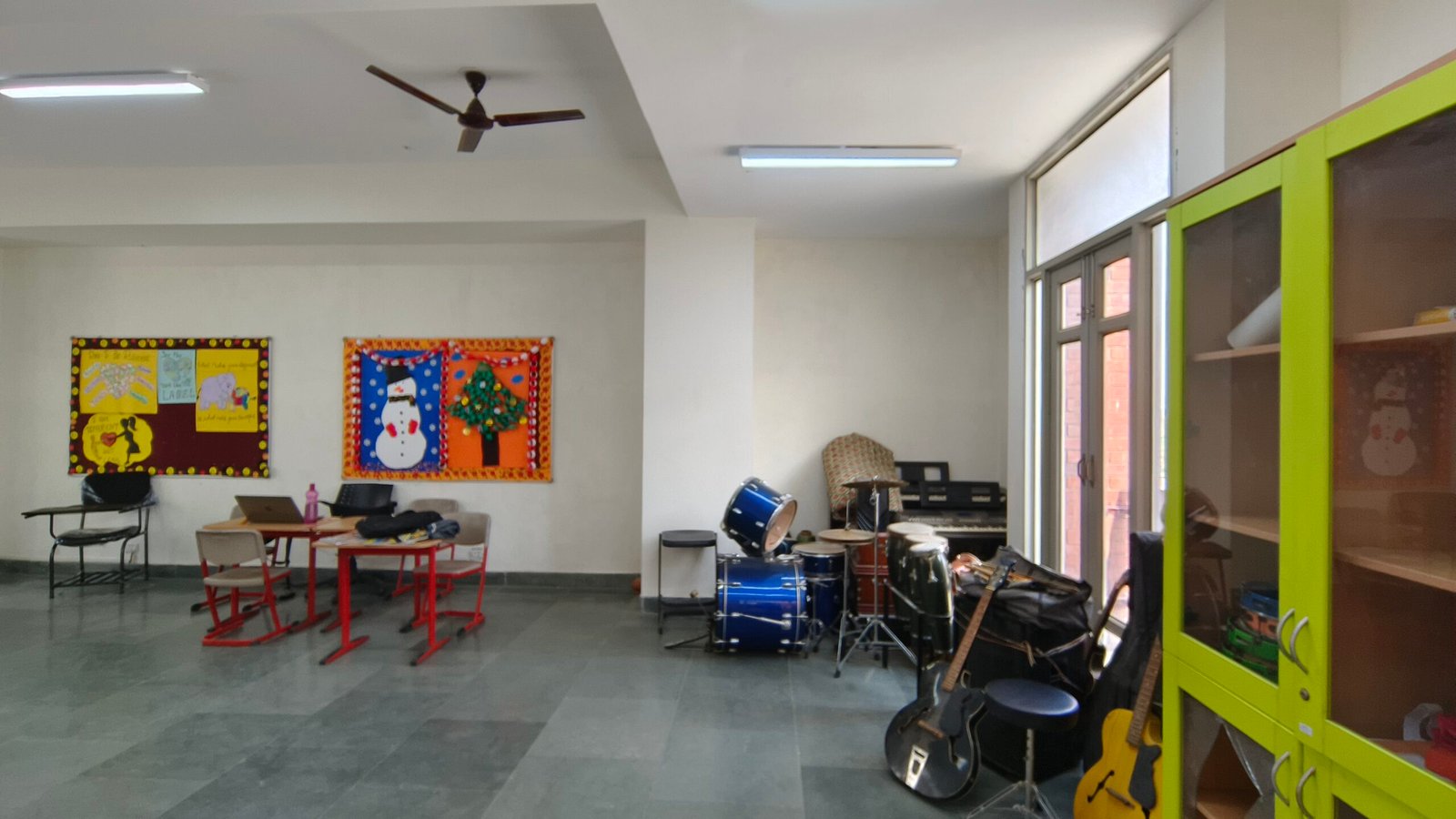
Conversation turns private reading into a social and intellectual experience. Book talks, paired discussion and literary club meetings encourage students to explain a reaction, support an interpretation and listen to a different view. Sanskriti School’s Literary Club, which includes reading, writing, public speaking and competitions, can provide a natural home for such exchanges. At the Best CBSE School in Lucknow, reading should not be reduced to a monthly count; it should create questions that continue across classrooms and friendships.
Writing Helps Students Discover Their Thinking
Writing is often treated as the final presentation of an idea, but it is also how ideas are formed. A journal entry can capture an observation before it disappears. A first draft reveals gaps in reasoning. Revision asks students to choose stronger evidence, organise a sequence and consider what a reader needs. These processes teach patience and precision, especially when feedback focuses on meaning as well as grammar.
Students benefit from writing for real purposes: explaining a science result, composing a speech, reviewing a book, documenting a project or creating a story for younger readers. Each purpose demands different choices of tone, structure and vocabulary. Teachers can model planning and revision, then gradually release responsibility. When polished pieces are displayed, published or performed, children see communication as an act that reaches another person—not merely an answer written for marks.
Speaking and Listening Build Confident Voices
Confident speaking grows through frequent, low-pressure opportunities before it is tested on a stage. A student who regularly explains a method to a partner, asks a question in class and summarises a group decision learns to organise thoughts aloud. Debates, assemblies, presentations and performances then extend these habits. The aim is not to create one style of speaker, but to help every student communicate with clarity and authenticity.
Listening deserves equal emphasis. Productive discussion requires students to attend to another viewpoint, ask a relevant follow-up and disagree without dismissing the person. These are academic, social and civic skills. Sanskriti School’s clubs, cultural events and academic competitions can give learners varied audiences and contexts. With supportive feedback, even hesitant speakers can discover that confidence is not the absence of nervousness; it is the ability to contribute despite it.
A Literacy Culture That Reaches Beyond English
A strong reading culture respects the languages children bring to school. Reading and storytelling in more than one language strengthen identity, family connection and sensitivity to how meaning changes across contexts. Comparing expressions, translating a poem or researching a local story can deepen rather than distract from academic language. Students learn that multilingualism is an intellectual resource.
The Best School in Lucknow should therefore make literacy visible throughout campus life—in classroom questions, library choices, student displays, assemblies, clubs and digital communication. At Sanskriti School, a balanced programme of academics and expression can connect reading with confident participation. The long-term benefit reaches beyond examinations. Students who read thoughtfully, write with purpose, speak clearly and listen generously are better prepared to learn independently, collaborate across differences and contribute ideas that other people can understand and trust.