How Everyday School Choices Teach Sustainability
Table of Contents
- The Campus as a Living Laboratory
- From Awareness to Measurable Action
- Sustainability Connects Every Subject
- Shared Habits Build Environmental Culture
- Green Learning at Sanskriti School
The Campus as a Living Laboratory
Environmental ideas can feel distant when they appear only as definitions in a textbook. A school campus makes them observable. Students can map shade, record seasonal changes, identify birds and insects, examine soil or measure how much waste a group produces. Questions emerge from a place they know, giving scientific concepts immediate relevance.
For families looking for the Best School in Lucknow, outdoor and project-based learning show whether sustainability is lived as well as discussed. A spacious campus creates opportunities, but effective learning depends on careful observation and repeated data. Students should return to the same question over time, compare patterns and recognise that natural systems change. This builds patience and respect for evidence.
From Awareness to Measurable Action
Posters can raise attention, but lasting change requires a specific goal. Students might audit classroom electricity use, track avoidable food waste or examine where reusable materials could replace disposable ones. They can establish a baseline, propose an intervention and measure what happens. Even a modest project becomes meaningful when evidence shows whether behaviour changed.
The Best Environment Activity at School in Lucknow therefore connects enthusiasm with accountability. If results are weak, students can revise the plan rather than declaring success. This mirrors authentic environmental work, where trade-offs and unintended effects matter. Learners discover that responsible action involves research, communication, cooperation and persistence—not only good intentions.
Sustainability Connects Every Subject
Environmental learning is naturally interdisciplinary. Mathematics helps students analyse consumption; science explains ecosystems and energy; geography considers land and climate; economics introduces scarcity and incentives; language supports persuasive communication. Art and design can make complex findings understandable to a wider audience.
At the Best CBSE School in Lucknow, these connections can deepen the curriculum rather than compete with it. A water project may require measurement, graphing, interviews and a final recommendation. Students see how subject knowledge combines around a real problem. They also learn to distinguish between a claim and a workable solution, considering cost, maintenance, fairness and who must participate.
Shared Habits Build Environmental Culture
A green school culture is created through ordinary routines: switching off unused equipment, caring for materials, keeping spaces clean and reducing waste. Adults must model the same expectations. When rules apply only to students or disappear after an event, environmental messages lose credibility. Consistency turns individual actions into a shared norm.
Student leadership can strengthen ownership. Eco monitors, clubs or house teams can gather data and communicate progress without becoming a policing force. Celebrating improvement is useful, but honest reporting matters more than perfection. Families can extend habits at home, creating a conversation between school learning and daily life. Children then understand that environmental responsibility is collective, yet each person’s choices still contribute.
Green Learning at Sanskriti School
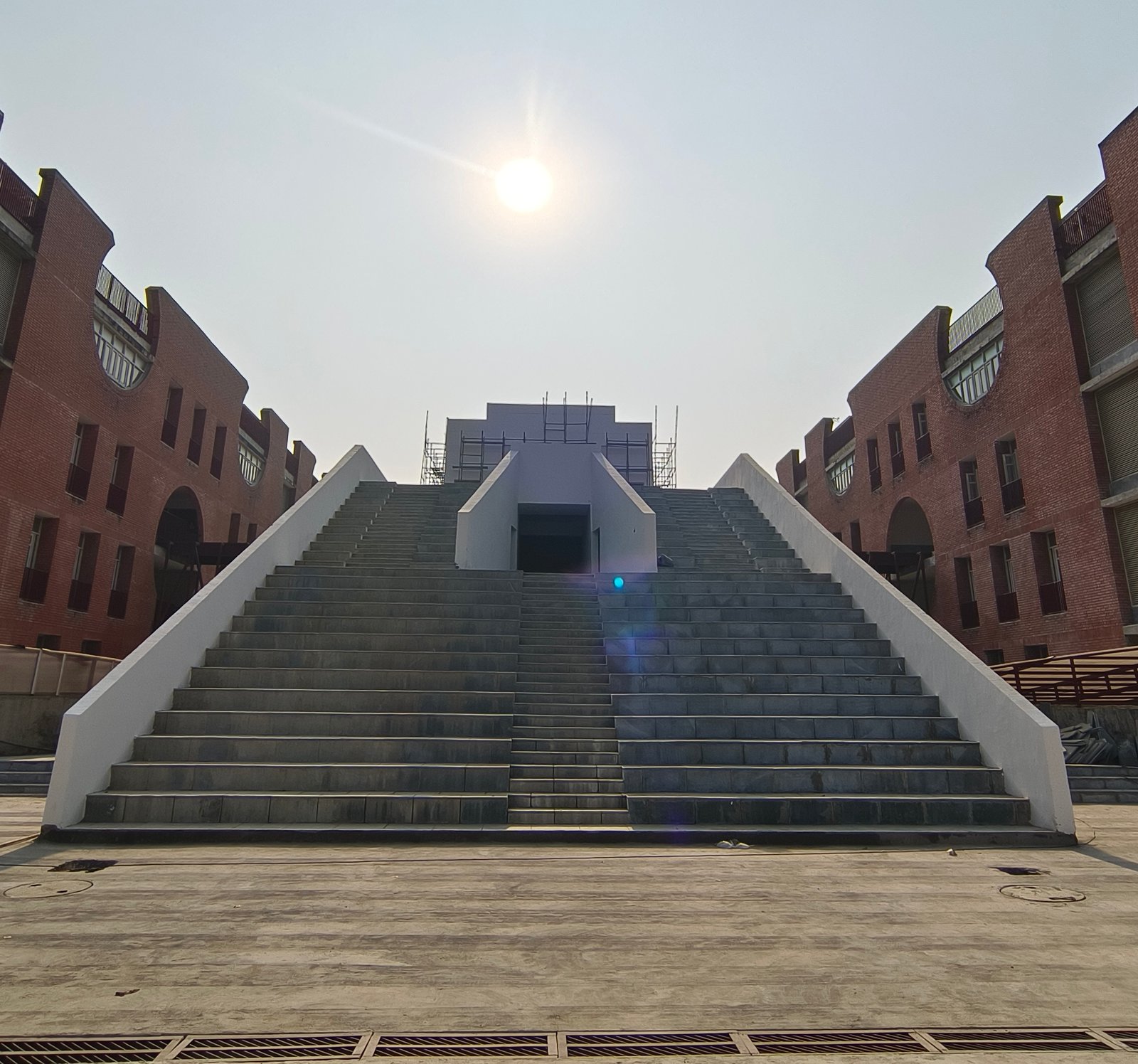
Sanskriti School’s ten-acre campus, outdoor grounds, laboratories, clubs and awareness activities provide a strong setting for environmental inquiry. Science experiments can connect with campus observation, while art, debate and student events can help communicate findings. The combination of indoor and outdoor spaces allows learners to investigate sustainability from multiple angles.
For parents comparing the Best School in Lucknow, the key question is whether environmental education produces thoughtful habits and evidence-based action. At Sanskriti School, projects can help students move from concern to capability. They learn to observe closely, measure honestly, work with others and improve a solution over time. These are environmental skills, but they are also habits of responsible citizenship—exactly what young people need to shape a more sustainable future.
The strongest projects can be repeated by a new student group each year. Consistent methods allow classes to compare data across seasons and see whether improvements last. Older students may mentor younger teams, building continuity while learning to explain methods clearly.
Schools can also share results with families through exhibitions or concise reports. When students present both successes and limitations, they model honest inquiry. A recommendation supported by local evidence is more persuasive than a generic appeal, and it gives the wider community a practical way to participate.
Environmental hope grows from this sense of agency. Young people should understand the seriousness of ecological challenges without feeling powerless. By seeing that careful observation and coordinated action can improve a real place, they learn that responsibility is demanding, collaborative and worthwhile.