Art Education at the Best School in Lucknow
Table of Contents
- Art Teaches Students to See
- The Creative Process Builds Resilience
- Visual Literacy Matters in a Digital World
- Art Connects Subjects, Culture and Identity
- Creative Expression at Sanskriti School
Art Teaches Students to See
Before students can draw, paint or design effectively, they must observe. Art slows attention long enough to notice proportion, texture, light, colour and relationships between forms. This careful looking supports more than artistic skill. It strengthens the ability to compare, interpret and detect detail—habits that matter in science, mathematics and reading.
Parents searching for the Best School in Lucknow should therefore see art as a way of thinking, not a break from “serious” learning. A strong lesson may begin with an object, image, story or question and invite more than one valid response. Students make choices and explain them. The finished work matters, but so does the reasoning visible in sketches, experiments and revisions.
The Creative Process Builds Resilience
Making art rarely follows a perfect first plan. Paint behaves unexpectedly, a structure collapses or an idea looks different on paper. Students learn to adapt materials, revise composition and decide what to preserve. Because the problem is open-ended, they cannot always wait for the teacher to supply one answer. They develop initiative.
The Best Art Activity at School in Lucknow should value this process. Teachers can demonstrate techniques while leaving room for interpretation. Feedback such as “What are you trying to emphasise?” helps a learner connect intention with execution. Exhibiting drafts beside final pieces can also normalise improvement. Children discover that frustration is not evidence of lacking talent; it is often the point at which deeper attention begins.
Visual Literacy Matters in a Digital World
Young people encounter images constantly through advertisements, video, social media and interfaces. Visual literacy helps them ask how colour, framing, scale and editing shape a message. Students who create images become more alert to the choices behind images made by others. They can distinguish documentation from persuasion and question what may have been omitted.
At the Best CBSE School in Lucknow, art and digital citizenship can reinforce each other. A poster project can include audience, hierarchy and ethical image use. Photography can introduce composition alongside consent and context. Design tasks can ask students to communicate complex information clearly. These experiences prepare learners to be thoughtful creators rather than passive consumers of visual media.
Art Connects Subjects, Culture and Identity
Visual art offers natural connections with history, literature, geometry, environment and local heritage. Students might study pattern, respond to a poem, illustrate scientific change or research an artistic tradition before creating original work. Interdisciplinary learning is strongest when art contributes genuine interpretation instead of decorating an already completed assignment.
Culture should be approached with accuracy and respect. Learning about traditional forms includes their communities, materials and purposes, not only copying motifs. Students can then explore how traditions evolve and how their own experiences influence creative choices. This balance helps children appreciate inheritance while understanding that culture is living, diverse and open to thoughtful dialogue.
Creative Expression at Sanskriti School
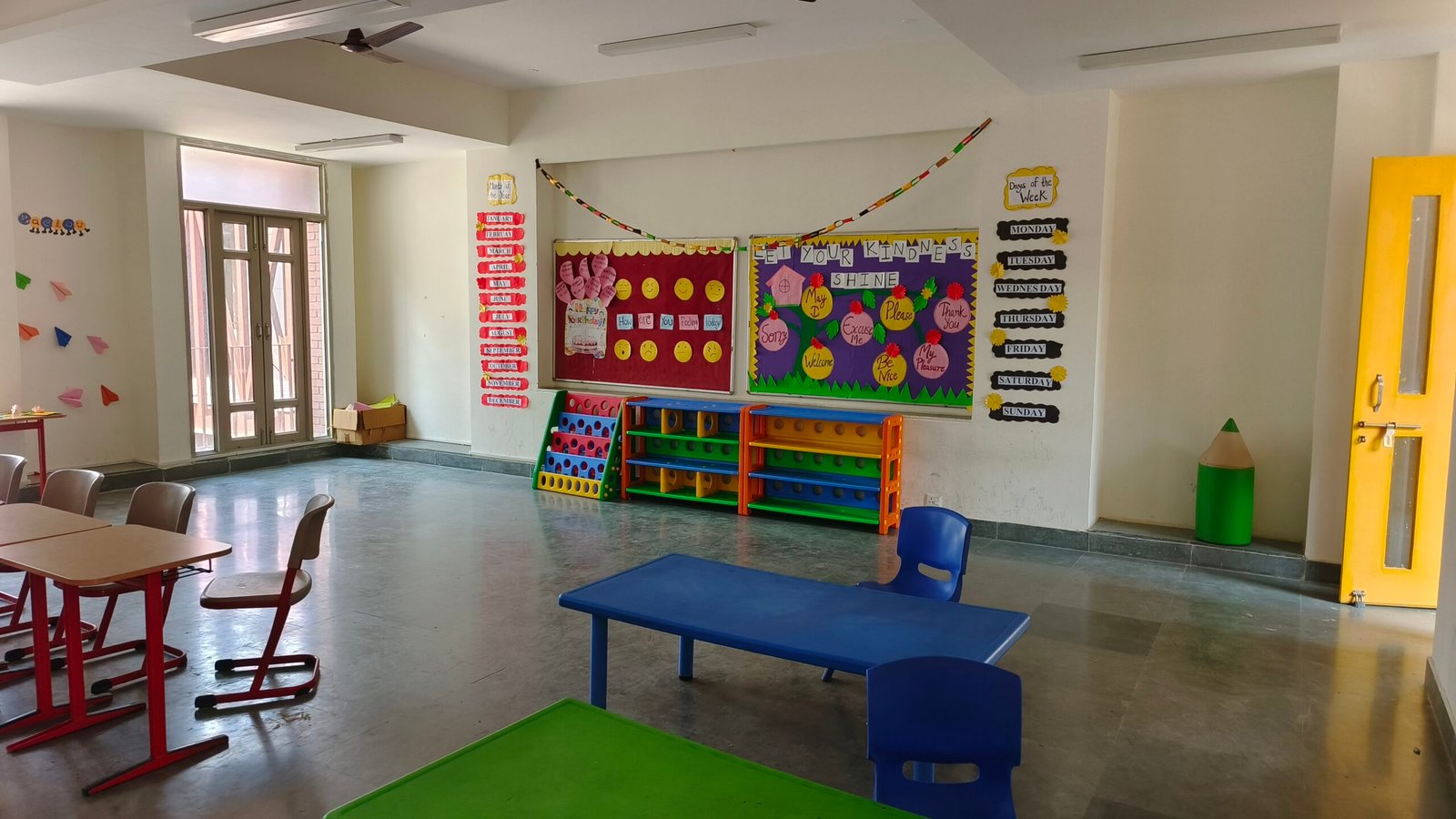
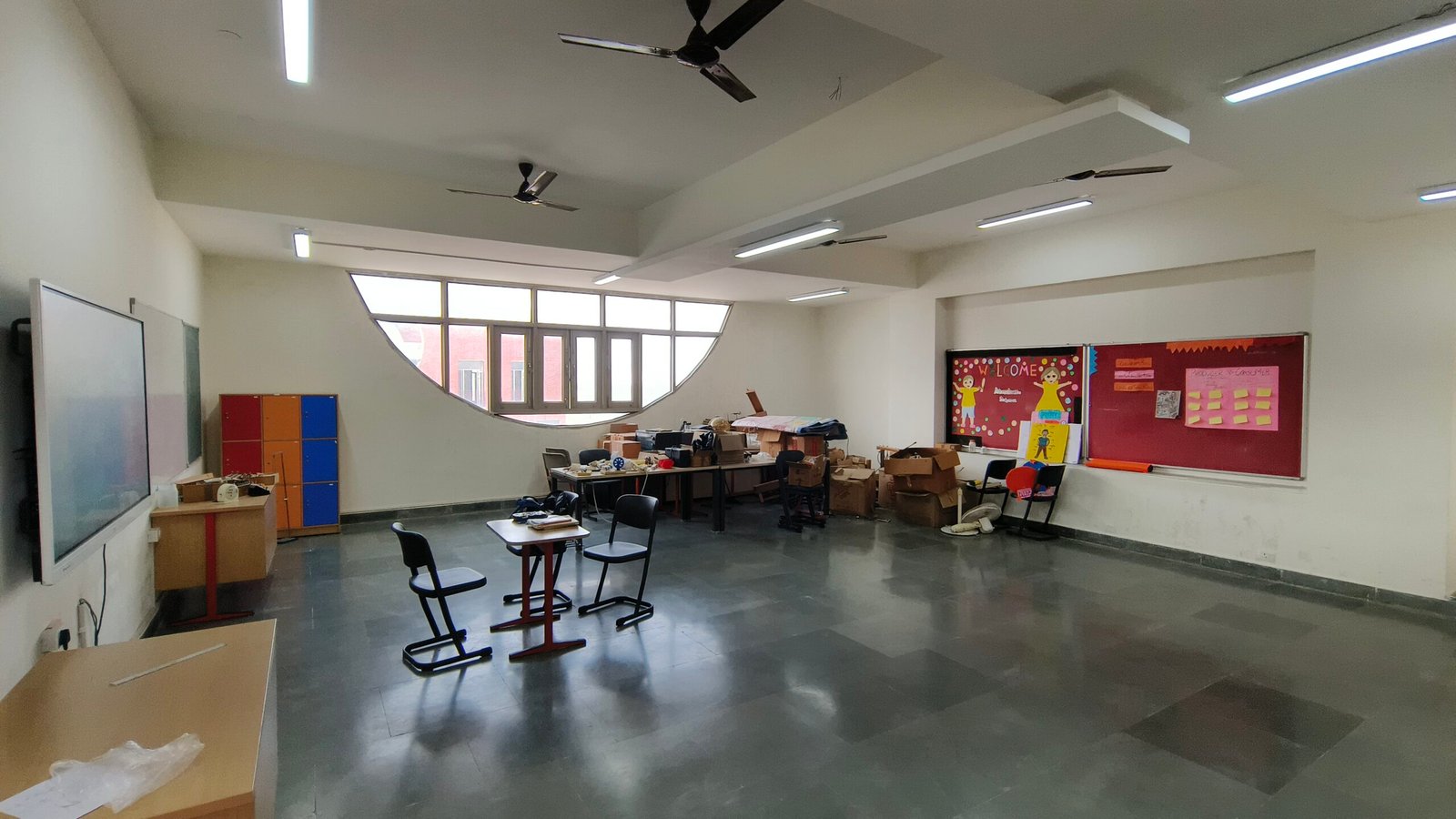
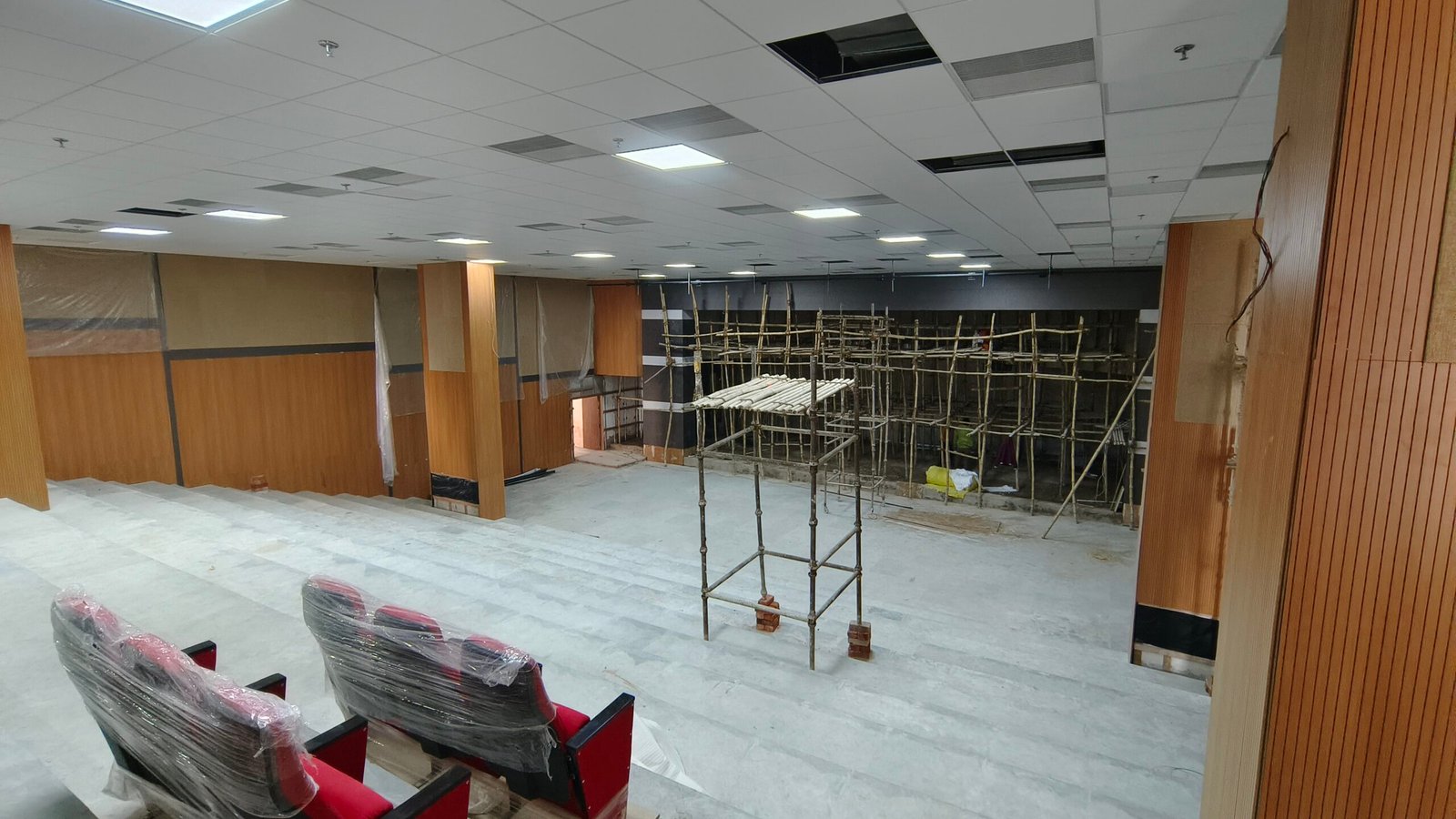
Sanskriti School provides art and craft studio space, exhibition areas, music and dance facilities, creating a wider ecosystem for expression. Student work can move from private exploration to public communication through displays, performances and collaborative events. A dedicated setting also signals that materials, sustained practice and artistic thinking deserve time.
For families comparing the Best School in Lucknow, the strongest evidence will be varied student work rather than identical products. At Sanskriti School, visual arts can help learners develop craft, originality and confidence within a balanced academic programme. The long-term benefit is not limited to future artists. Every student gains practice in observing carefully, tolerating ambiguity, revising an idea and communicating something that did not exist before.
Portfolios make this development visible over time. By selecting works, annotating decisions and comparing early sketches with later outcomes, students learn to evaluate their own progress. A thoughtful exhibition can include short artist statements that explain purpose, material and revision. Viewers then encounter not just attractive objects but evidence of inquiry.
Families can support creative growth by asking open questions instead of guessing what an artwork “is.” Questions about choices, difficulties and discoveries invite children to articulate thinking. Access to simple materials and unhurried making at home reinforces the message that creativity belongs in everyday life, not only to competitions or specially talented people.