How School Dance Builds Expression and Discipline
Table of Contents
- Dance Educates the Whole Person
- Technique Gives Creativity a Foundation
- Performance Builds Confidence and Teamwork
- Culture, Inclusion and Student Voice
- Performing Arts at Sanskriti School
Dance Educates the Whole Person
Dance asks students to coordinate body, rhythm, space and attention. A sequence must be remembered, adjusted to music and performed with awareness of others. This combination develops fitness and control while offering a form of expression that does not depend entirely on words. Students learn to communicate mood, story and energy through movement.
For parents seeking the Best School in Lucknow, performing arts indicate whether creativity has a genuine place in education. Dance is not simply an item for annual day. Regular practice strengthens posture, stamina, memory and observation. It also gives students immediate feedback: a group formation works only when each performer understands timing and position. The discipline is demanding, but the experience can be joyful because effort becomes visible in a shared performance.
Technique Gives Creativity a Foundation
Creative freedom grows when students have reliable tools. Age-appropriate dance education introduces warm-ups, alignment, rhythm, movement vocabulary and safe practice. Classical, folk and contemporary forms can each reveal different relationships between gesture, music and storytelling. Students benefit when teachers explain context rather than presenting steps without meaning.
The Best Dance Activity at School in Lucknow should balance instruction with exploration. Learners might interpret a theme, create a short phrase or compare how two forms express an idea. Technique prevents creativity from becoming vague, while improvisation prevents technique from becoming imitation alone. Feedback can be specific—clearer timing, stronger transitions, greater awareness of space—so students know how to improve without feeling that artistic expression has one “correct” personality.
Performance Builds Confidence and Teamwork
Stage confidence is built long before the curtain opens. Students rehearse, forget, correct and repeat. They learn to manage nervous energy and continue when a small mistake occurs. This is useful preparation for presentations, interviews and unfamiliar situations. Confidence becomes trust in preparation rather than a need to feel fearless.
Group performance also teaches responsibility. One student’s absence or inattention affects formations and transitions, so punctuality and cooperation matter. At the Best CBSE School in Lucknow, these habits reinforce classroom learning. Students listen to cues, accept direction and support peers who need another attempt. Applause is rewarding, but the deeper achievement is the collective discipline that makes the final moment possible.
Culture, Inclusion and Student Voice
India’s dance traditions offer a rich route into history, language, music and regional identity. Schools can present this diversity respectfully, with attention to origin and meaning. Cultural learning becomes stronger when students research a form, costume or narrative rather than reproducing a surface image. Contemporary movement can sit alongside tradition, encouraging students to understand inheritance and innovation together.
An inclusive programme creates roles for varied confidence and ability. Not every learner begins with the same coordination or stage comfort. Flexible groupings, thoughtful choreography and non-performing roles in research, music or production can widen participation without lowering standards. Student ideas should also shape performances. When young people help interpret a theme, they experience art as communication rather than decoration.
Performing Arts at Sanskriti School
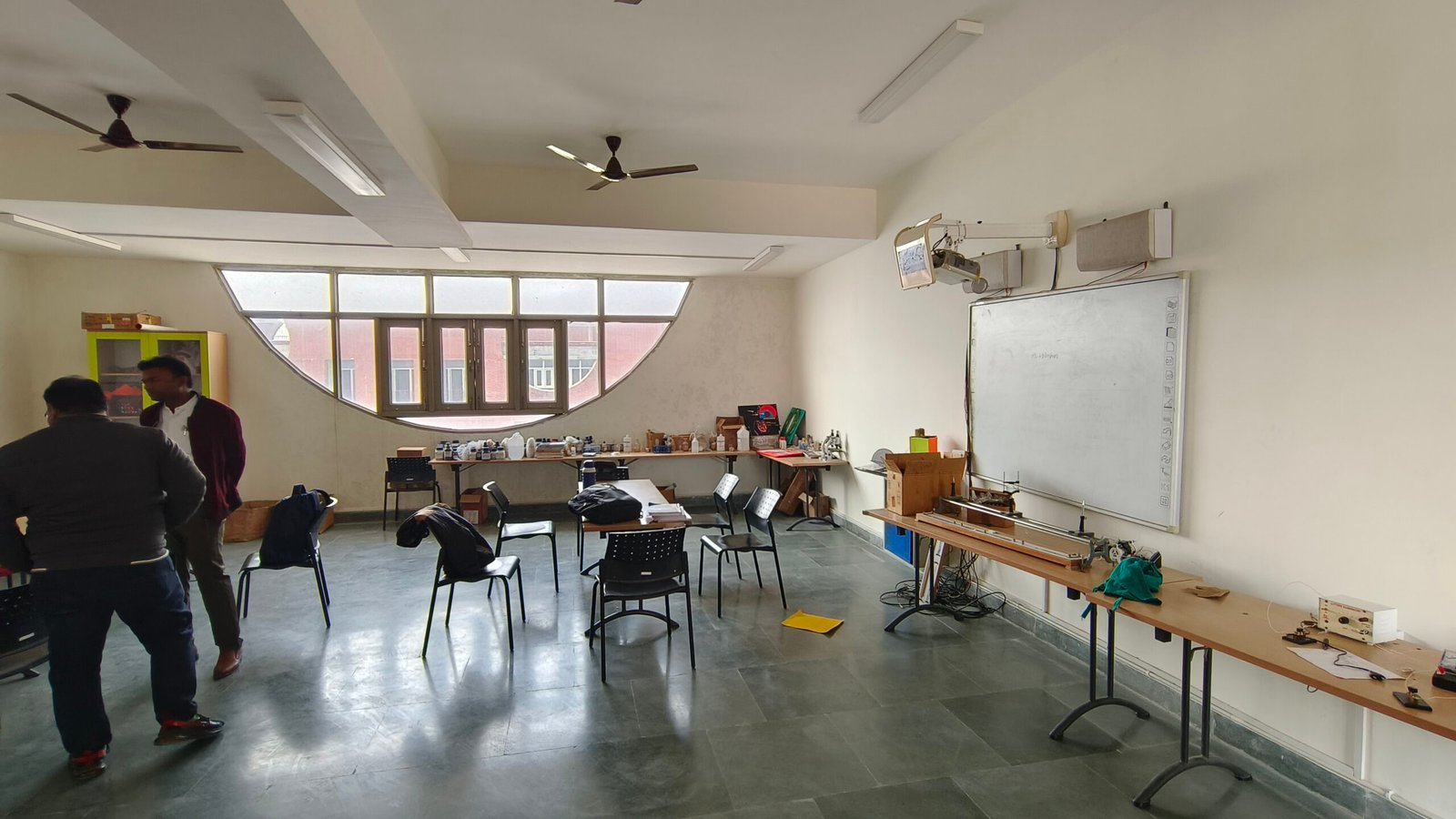
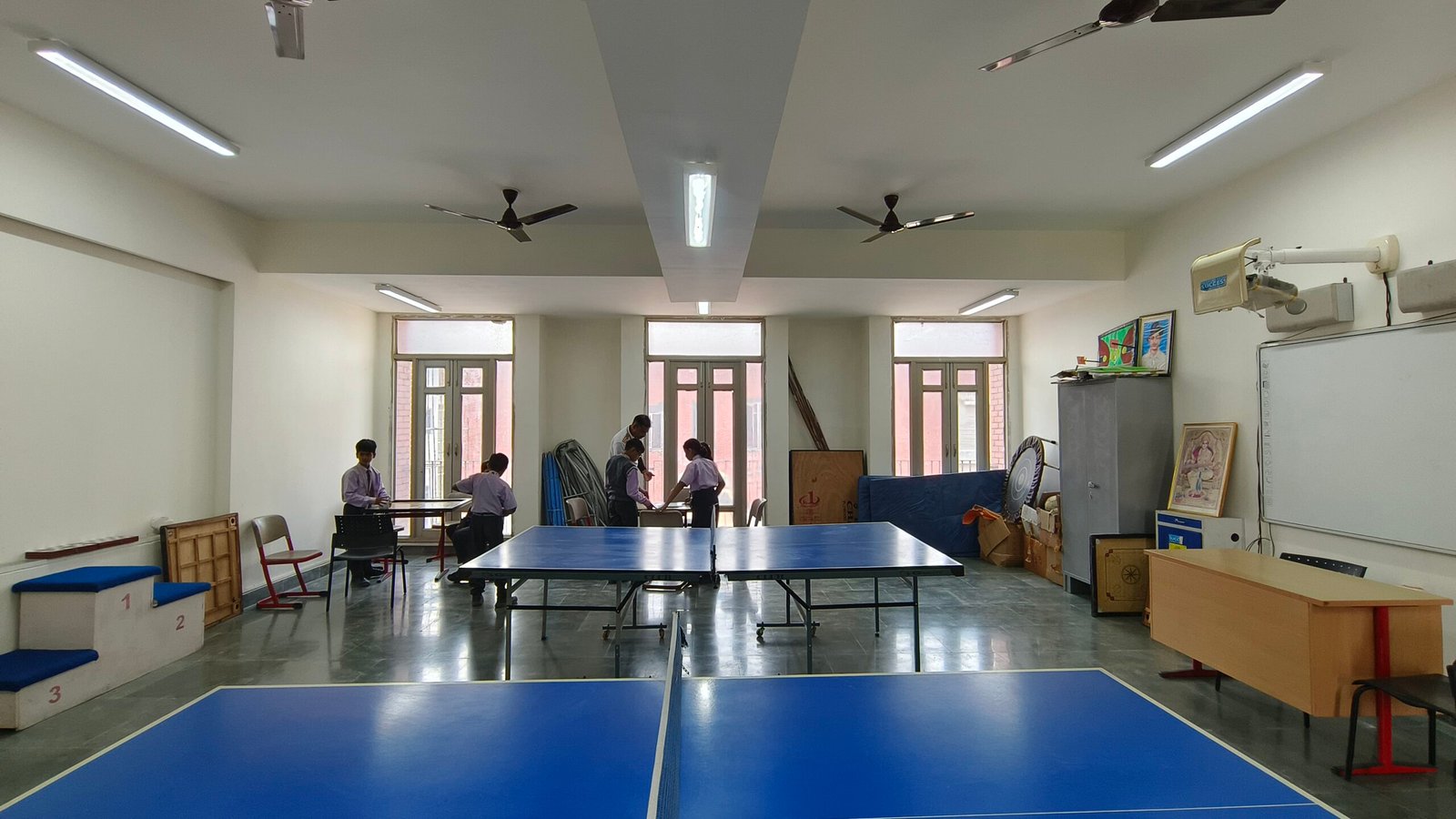
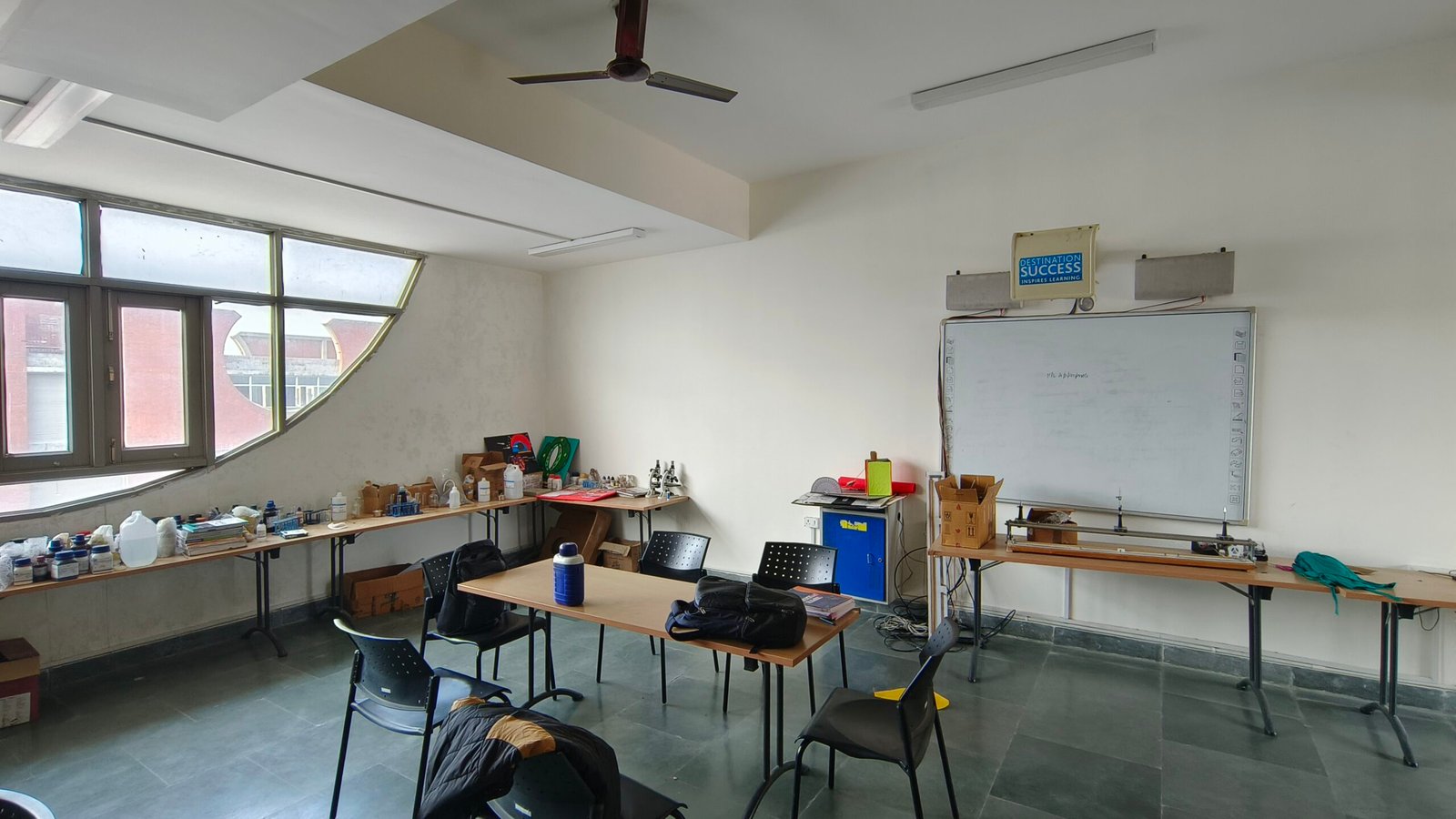
Sanskriti School’s creative facilities include dance, music, art and performance spaces, supported by cultural events and student activities. These settings make it possible for performing arts to develop through regular practice rather than isolated occasions. They also allow disciplines to meet: dancers can work with musicians, artists and speakers on a coherent production.
Families comparing the Best School in Lucknow can look for the quality of this process. Are students learning technique, context and collaboration, or only rehearsing a finished routine? At Sanskriti School, a balanced approach can help dance contribute to physical wellbeing, cultural appreciation and confident expression. Students leave with more than stage memories. They learn that creativity grows through practice, that individual presence can strengthen a group and that disciplined expression is a powerful way to find one’s voice.
Reflection after a performance completes the cycle. Students can watch a recording, discuss how effectively the theme reached the audience and identify one improvement in technique or teamwork. Production roles deserve reflection too: lighting, music, costume, stage management and introductions all shape meaning. Recognising this ecosystem broadens participation and shows that memorable performance is a collaborative act, not the achievement of the most visible dancer alone.