
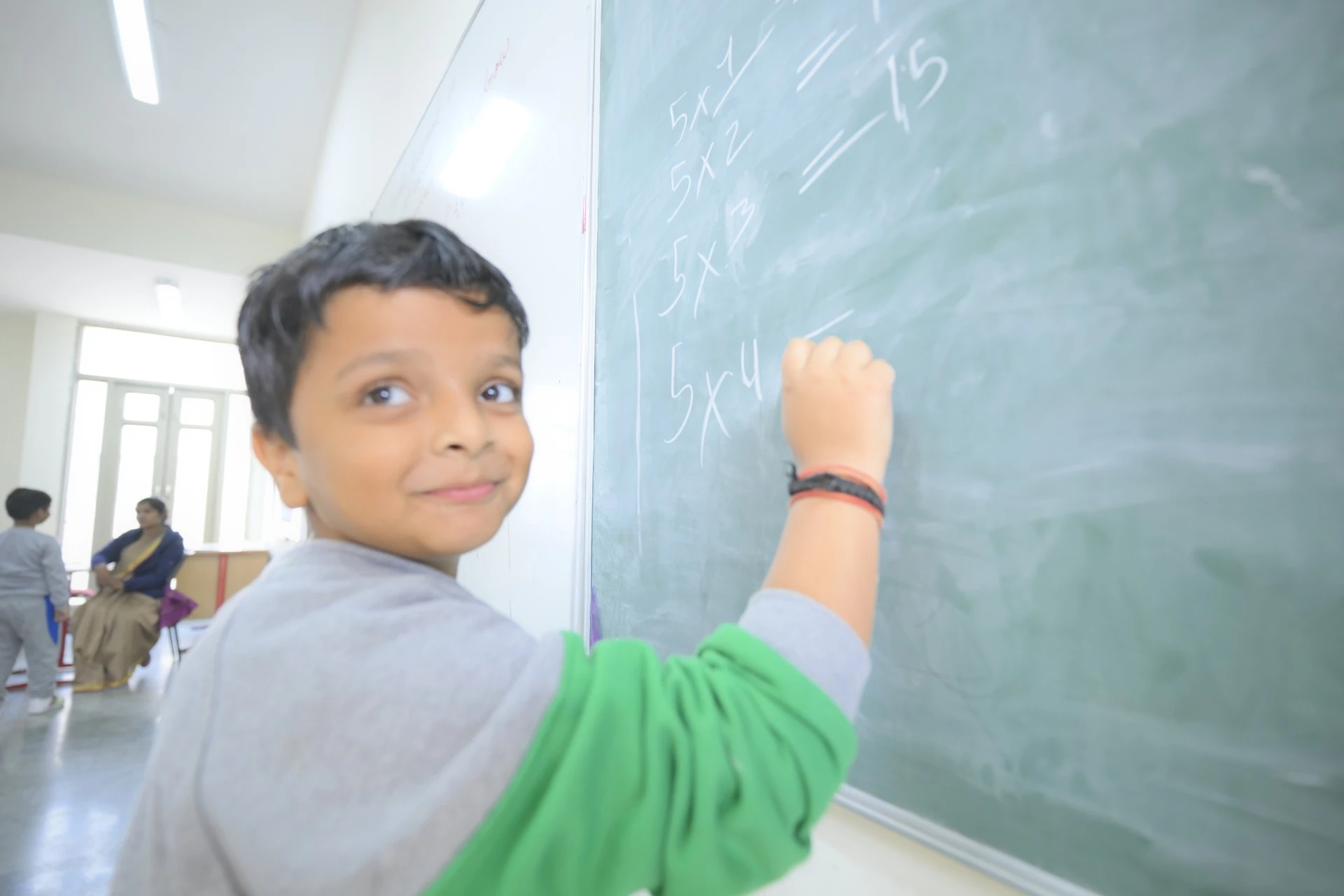
How the Best School in Lucknow Helps Students Build Self Discipline:
Table of Contents
- Why Self Discipline Matters More Than Ever
- Self Discipline is Built, Not Born
- Daily Habits That Shape Responsible Learners
- The Role of Teachers and School Culture
- Learning Responsibility Beyond Academics
- Self Discipline as a Lifelong Skill
- How Sanskriti School Encourages Self Discipline
- Conclusion
Building Self Discipline at the Best School in Lucknow
Why Self Discipline Matters More Than Ever
Success is often associated with intelligence, talent, or opportunity. Yet, when educators and parents reflect on what truly helps students achieve their goals, one quality consistently stands out: self discipline.
Self discipline is the ability to stay committed even when motivation fades. It helps students complete assignments on time, remain focused during lessons, prepare consistently for examinations, and make thoughtful decisions in everyday life.
In an age filled with constant distractions, developing self discipline has become more important than ever. Children who learn to manage their time, control impulses, and remain committed to their goals are better equipped to face academic challenges and future responsibilities.
The Best School in Lucknow understands that self discipline is not about enforcing strict rules. It is about helping students develop habits that enable them to grow into confident, responsible, and independent individuals.
Self Discipline is Built, Not Born
Many people believe that disciplined children are naturally different from others. In reality, self discipline is developed through repeated practice and consistent guidance.
Children gradually learn discipline by following routines, meeting expectations, taking responsibility for their actions, and understanding the value of consistency.
Every school day presents opportunities to strengthen these habits. Arriving on time, preparing for classes, completing projects, respecting deadlines, and participating actively all contribute to building self discipline.
These small daily actions eventually become lifelong habits that support both academic achievement and personal growth.
The earlier children develop these habits, the more naturally they carry them into higher education and adulthood.
Daily Habits That Shape Responsible Learners
Self discipline is rarely built through major achievements. Instead, it grows through ordinary routines repeated every day.
Students who consistently organise their study materials, revise lessons regularly, ask questions when needed, and balance academics with extracurricular activities develop greater responsibility over time.
Some of the most valuable habits include:
- Planning and managing time effectively
- Completing tasks before deadlines
- Staying focused during learning sessions
- Respecting school routines and commitments
- Taking ownership of personal responsibilities
- Learning from mistakes instead of avoiding them
These habits improve not only academic performance but also confidence and independence.
Students begin to realise that discipline is not something imposed by teachers. It is a skill they develop for themselves.
The Role of Teachers and School Culture
A school’s environment plays a crucial role in shaping student behaviour.
Teachers who set clear expectations, provide constructive feedback, and encourage accountability help students understand why discipline matters. Instead of relying on fear or punishment, they guide learners towards making responsible choices independently.
A positive school culture also reinforces discipline through consistency. When classrooms are organised, routines are predictable, and expectations are fair, students naturally develop respect for time, effort, and responsibility.
Perhaps most importantly, teachers model disciplined behaviour themselves. Their preparation, commitment, and professionalism inspire students to adopt similar attitudes towards learning.
In such an environment, discipline becomes part of the school’s culture rather than simply a set of rules.
Learning Responsibility Beyond Academics
Self discipline extends far beyond classroom performance.
Students develop responsibility through sports, cultural programmes, leadership opportunities, clubs, and collaborative projects. Balancing different commitments teaches them how to prioritise tasks, work with others, and remain accountable.
Participating in team sports encourages punctuality and perseverance. Organising school events develops planning skills. Leading a house activity teaches initiative and commitment.
These experiences help students understand that discipline is essential in every aspect of life, not only during examinations.
The result is a learner who approaches challenges with maturity, responsibility, and confidence.
Self Discipline as a Lifelong Skill
Long after students leave school, self discipline continues to influence their success.
University education requires independent learning. Professional careers demand reliability and consistency. Personal goals require perseverance and commitment.
Students who have developed self discipline during school are better prepared to manage changing responsibilities and adapt to new environments. They know how to stay focused, work steadily towards long-term goals, and recover from setbacks without losing motivation.
These qualities become lifelong advantages that support achievement in every field.
Self discipline is therefore not simply an academic skill. It is one of the strongest foundations for a meaningful and successful life.
How Sanskriti School Encourages Self Discipline
At Sanskriti School Lucknow, self discipline is nurtured through a balanced combination of structured academics, value-based education, and meaningful student experiences. A well-planned CBSE curriculum, regular assessments, interactive classrooms, and consistent teacher guidance encourage students to develop responsible study habits and take ownership of their learning.
Beyond academics, participation in sports, clubs, cultural activities, the house system, and leadership opportunities helps students strengthen qualities such as accountability, teamwork, perseverance, and time management. Experienced teachers, counsellors, and mentors create a supportive environment where discipline grows through understanding, encouragement, and daily practice rather than compulsion.
Conclusion
Self discipline is one of the most valuable lessons a child can learn. It empowers students to manage their time wisely, overcome challenges with confidence, and pursue their goals with determination.
At the Best CBSE School in Lucknow, discipline is viewed as a lifelong skill that prepares students not only for academic excellence but also for higher education, future careers, and responsible citizenship. By encouraging consistency, accountability, and independent thinking, schools help children build habits that continue to shape their success long after they graduate.
When students learn to lead themselves, they are prepared to lead in every area of life.