From Classroom to College: Preparing Students for the Next Step:
Table of Contents
- Higher Education Begins Before College
- Building Strong Academic Foundations
- Developing Skills Universities Look For
- Helping Students Make Informed Career Choices
- Creating Independent and Responsible Learners
- Preparing for a Changing World
- How Sanskriti School Supports Higher Education Readiness
- Conclusion
How the Best School in Lucknow Prepares Students for Higher Education
Higher Education Begins Before College
When students receive their college admission letters, it often feels like the beginning of a new chapter. In reality, that journey began years earlier inside their classrooms.
The habits students develop during school shape how successfully they adapt to university life. Time management, critical thinking, communication, discipline, and the confidence to learn independently are all cultivated long before students step onto a college campus.
Higher education is no longer about simply attending lectures and passing examinations. Universities expect students to analyse information, collaborate with peers, conduct research, present ideas confidently, and solve real-world problems.
Schools that prepare students for these expectations provide them with an advantage that extends well beyond admissions.
The Best School in Lucknow understands that preparing students for higher education means preparing them for lifelong learning.
Building Strong Academic Foundations
Every successful academic journey begins with conceptual clarity.
Students who understand the “why” behind a concept perform far better in higher education than those who rely solely on memorisation. College courses demand analytical thinking, application of knowledge, and independent problem-solving.
This is why a strong school curriculum focuses on building deep understanding across every subject.
Languages help students express ideas effectively. Mathematics develops logical reasoning. Science encourages observation and experimentation. Social sciences strengthen analytical thinking and awareness of the world.
As students progress through school, these subjects become stepping stones toward specialised learning in higher education.
Strong foundations also make it easier for students to adapt to new academic environments and increasing levels of complexity.
Developing Skills Universities Look For
Academic performance remains important, but universities today seek students who bring much more than high marks.
They value learners who can think independently, communicate confidently, work collaboratively, and adapt to changing situations.
These skills are developed through everyday school experiences.
Group discussions teach students to express opinions respectfully. Presentations improve public speaking. Projects strengthen research and teamwork. Laboratory work develops scientific thinking. Cultural programmes and leadership opportunities build confidence and initiative.
Together, these experiences create well-rounded learners who are prepared not only for university admissions but also for active participation in campus life.
Students who possess these abilities often adjust more quickly to higher education and perform better in both academic and extracurricular settings.
Helping Students Make Informed Career Choices
One of the most important decisions students make during school is choosing a direction for higher education.
This decision should never be based solely on trends or external expectations. Instead, it should reflect a student’s interests, strengths, and long-term aspirations.
Schools play an important role by exposing students to different academic disciplines and encouraging them to explore diverse possibilities.
Whether a student dreams of pursuing engineering, medicine, business, law, psychology, design, economics, research, civil services, or entrepreneurship, the right educational environment helps them understand the pathways available.
When students make informed choices, they enter higher education with greater confidence and purpose.
Creating Independent and Responsible Learners
College life brings greater freedom, but it also demands greater responsibility.
Students are expected to manage schedules, complete assignments independently, balance academics with extracurricular activities, and take ownership of their learning.
These qualities cannot be developed overnight.
Schools that encourage discipline, accountability, and self-directed learning help students gradually become independent thinkers. They learn to organise their time, seek solutions, ask thoughtful questions, and persevere through challenges.
Perhaps most importantly, they develop resilience. They understand that setbacks are opportunities to learn rather than reasons to give up.
These habits become invaluable throughout higher education and professional life.
Preparing for a Changing World
The careers of tomorrow may look very different from those of today.
Technological advancements, global collaboration, and rapidly evolving industries require individuals who can continue learning throughout their lives.
A future-ready school prepares students for this reality by nurturing curiosity rather than simply delivering information.
Students who learn how to think critically, communicate effectively, adapt to change, and solve unfamiliar problems remain prepared regardless of how the future evolves.
Higher education is only one milestone in this lifelong journey of learning.
The ultimate goal is to develop individuals who remain confident learners throughout their lives.
How Sanskriti School Supports Higher Education Readiness
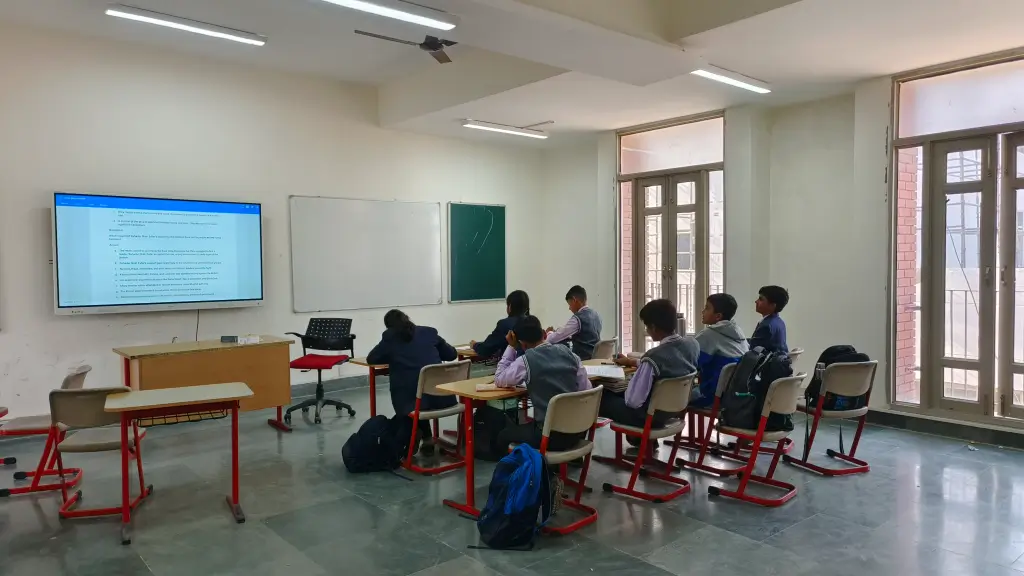
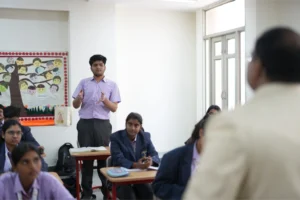
At Sanskriti School Lucknow, preparation for higher education begins with a strong academic foundation and continues through a structured CBSE-aligned curriculum that encourages conceptual understanding, inquiry, collaboration, and real-world application. Students benefit from interactive classrooms, modern laboratories, regular assessments, and experienced teachers who help them develop confidence, analytical thinking, and academic discipline.
As learners progress into senior secondary education, they can choose from Science, Commerce, and Humanities streams based on their interests and aspirations. Alongside academics, participation in sports, clubs, cultural activities, and leadership programmes helps students build communication skills, teamwork, responsibility, and resilience, qualities that are essential for success in higher education and beyond.
Conclusion
Preparing students for higher education is about much more than helping them secure admission to a good college. It is about equipping them with the knowledge, skills, confidence, and character to succeed wherever their journey leads.
The Best CBSE School in Lucknow creates an environment where students grow academically while developing the independence, curiosity, and resilience needed for lifelong success. By combining strong academics with meaningful experiences and personal development, schools prepare learners not just for college, but for the opportunities and responsibilities that await beyond it.